

PROPERTIES AND USES
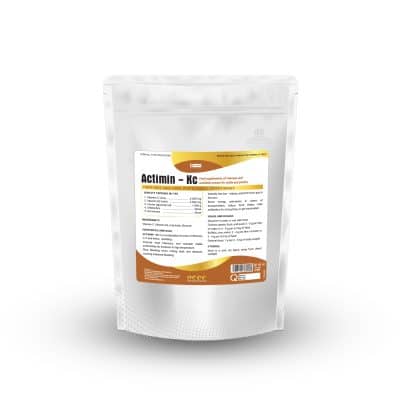
Provides essential vitamins for livestock and poultry, stimulates digestion, promotes rapid growth, enhances feather gloss and skin coloration in livestock, increases egg production and egg quality (thicker eggshells) in poultry.
Improves milk yield in cows and sows.
Early supplementation in young poultry helps rapid yolk absorption, clears the digestive tract, improves feathering, increases alertness, and enhances weight gain.
Piglets and young animals benefit during creep feeding and weaning by improved digestion, absorption, and feed conversion.
Reduces unpleasant barn odors, improves stool consistency, and helps maintain a clean environment.
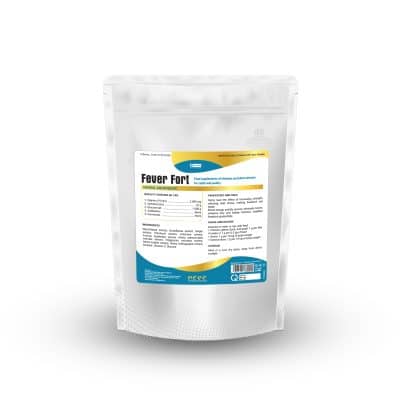
QUALITY CRITERIA IN 1 KG
Vitamin A
Vitamin B2
Vitamin B5
Vitamin B12
Vitamin C
Vitamin D3
Vitamin E
Vitamin K3
Vitamin PP (Niacin)
Carrier (Glucose) ad.
INGREDIENT
Vitamin A (Retinyl acetate), Vitamin B2 (Riboflavin), Vitamin B5 (Calcium-D-pantothenate), Vitamin B12 (Cyanocobalamin), Vitamin C (Ascorbic acid), Vitamin D3 (Cholecalciferol), Vitamin E, Vitamin K3 (Menadione sodium bisulfite), Vitamin PP (Niacin), Fructo-oligosaccharides, Bacillus subtilis, Bifidobacterium bifidum, Lactobacillus acidophilus, Saccharomyces cerevisiae, Carrier (Glucose) ad.
USAGE AND DOSAGE
Young poultry and piglets:
Brooding chickens, ducks, geese, quails:
2 – 4 g per liter of drinking water or 2–4 g per 0.5 kg of feed, used until recovery
Piglets during creep feeding: 2 g per 0.5 kg of feed
Growing stage: Chickens, ducks, geese, quails:
1–2 g per liter of drinking water or 1–2 g per 0.5 kg of feed,
or 1–2 g per 5 kg of body weight
Swine: 1 g per liter of drinking water or 1 g per 0.5 kg of feed
Note:
Supplement 1 g per liter of water or 1 g per 0.5 kg of feed during weather changes to help prevent diarrhea.
STORAGE
Store in a cool, dry place, away from direct sunlight

Reviews
There are no reviews yet.