
During winter, when temperatures drop significantly and air humidity increases, cattle expend more energy to maintain body heat and become more susceptible to diseases.
Cold winter weather causes cattle to lose a large amount of energy for thermoregulation, leading to weakened immunity. This creates favorable conditions for pathogenic microorganisms to develop and cause diseases. As a result, livestock are highly vulnerable to illnesses, especially respiratory diseases, and may even die from severe cold stress. This risk is particularly high in young animals under 6 months of age and in older animals. Therefore, farmers need to proactively protect their herds by keeping them warm and preventing diseases in order to minimize economic losses.
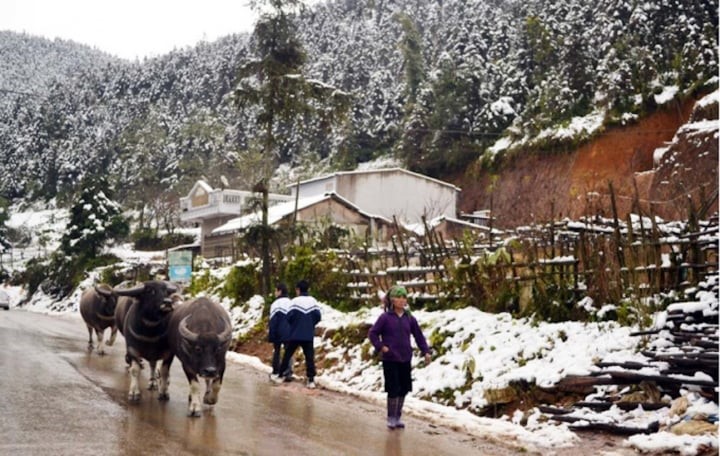 Illustrative image of cattle in winter
I. PREPARATION OF HOUSING AND KEEPING CATTLE WARM
Before winter begins, livestock housing should be inspected and reinforced, including flooring, roofing, and surrounding walls. Ensure that the floor remains dry, the housing is sufficiently warm, free from drafts, and protected from rain penetration. If necessary, cattle may be covered with sacks or blankets, provided with warm drinking water, and fed adequately with nutritious feed. Heating equipment such as charcoal, heating lamps, or stoves should be prepared. Livestock housing should ideally be built facing southeast to avoid cold winds and rain during winter.
II. ADEQUATE FEED PREPARATION FOR CATTLE
During cold winter months, cattle require a large amount of energy to maintain body temperature; therefore, adequate feeding with balanced nutrition is essential. Farmers should proactively store feed such as rice straw, grass, maize, cassava, and fully utilize agricultural by-products to process feed, especially straw, maize stalks, and leaves from the autumn–winter crop. Additionally, planting sweet grass is recommended to ensure sufficient feed supply. Silage preparation of green roughage should be carried out in advance for winter storage.
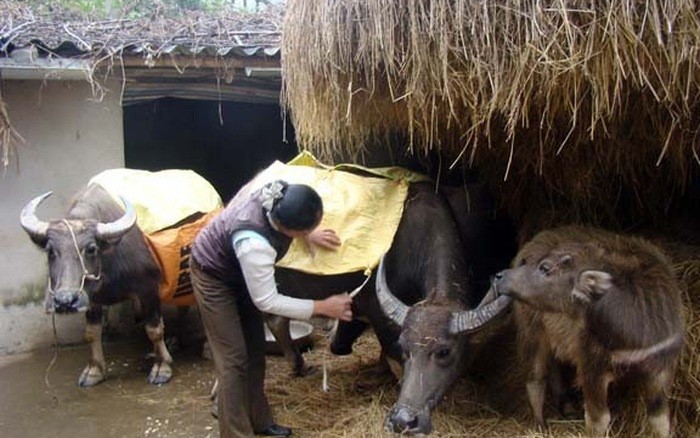 Illustrative image of cattle in winter
III. PROPER FEEDING AND CARE MANAGEMENT
Provide cattle with sufficient feed and clean drinking water. It is best to supply warm water, especially on cold days.
Supplement concentrate feed along with vitamins and mineral additives to enhance immunity and improve disease resistance. Some products that can be used include GLUCAN C, mixed with warm water or feed to help boost immune function in cattle.
IV. GOOD VETERINARY HYGIENE AND FULL VACCINATION
Maintain clean livestock housing by regularly cleaning stalls and periodically spraying disinfectants 1–2 times per week to disinfect and eliminate pathogens.
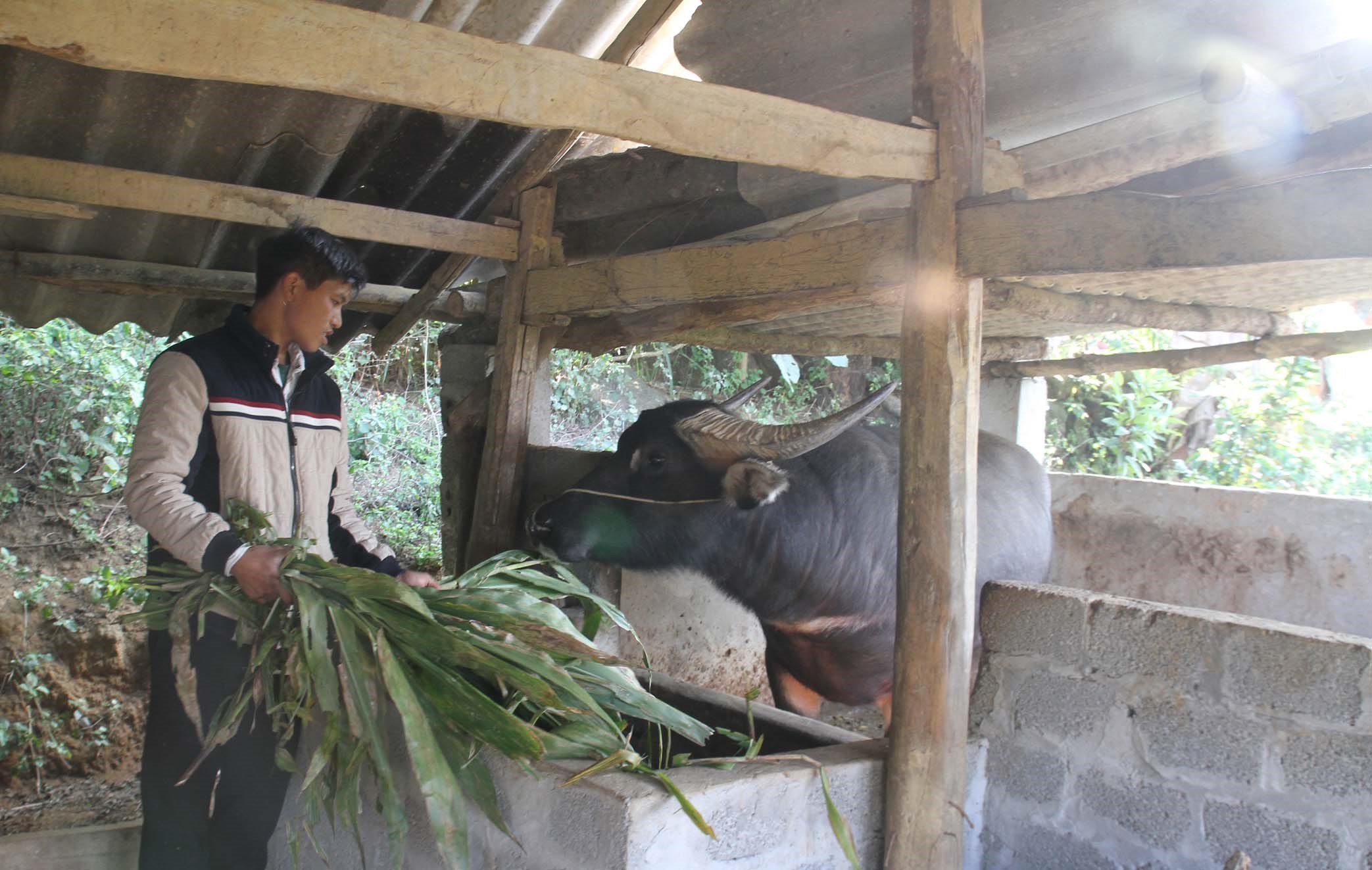 Illustrative image of cattle in winter
Implement regular vaccination programs and ensure full vaccination against major diseases such as Foot-and-Mouth Disease, Anthrax, Hemorrhagic Septicemia, and Lumpy Skin Disease.
In particular, deworming and parasite control must be conducted before the cold season. Timely detection of animals showing signs of liver fluke infection or blood parasitic diseases is necessary so that vaccination and treatment can be carried out during warm sunny days.
Use internal and external antiparasitic products in feed-mix powder form such as IVMECTIN 6 WS, or injectable IVERMECTIN for the prevention and treatment of diseases caused by nematodes and ectoparasites. Use FLUCONIX 340 for the prevention and treatment of liver fluke, or INTERMECTIN SUPER to control nematodes, ectoparasites, and liver fluke simultaneously. Use TRYPONIL SUPER or IMOCHEM 120 injections to help prevent and treat blood parasitic diseases.
Measures for preventing cold stress and diseases in cattle during winter are essential information to help farmers protect and care for their livestock, thereby improving productivity and economic efficiency.