
Have you ever considered deworming your ornamental birds? It may sound unusual, but neglecting this step can negatively affect their health and economic value. So how can you recognize parasitic infections, and what impact do they have on birds?
Nowadays, keeping ornamental birds is very popular. However, even caged birds fed with clean food and water can still become infected with helminths. So, what are helminth infections in ornamental birds?
I. CAUSES
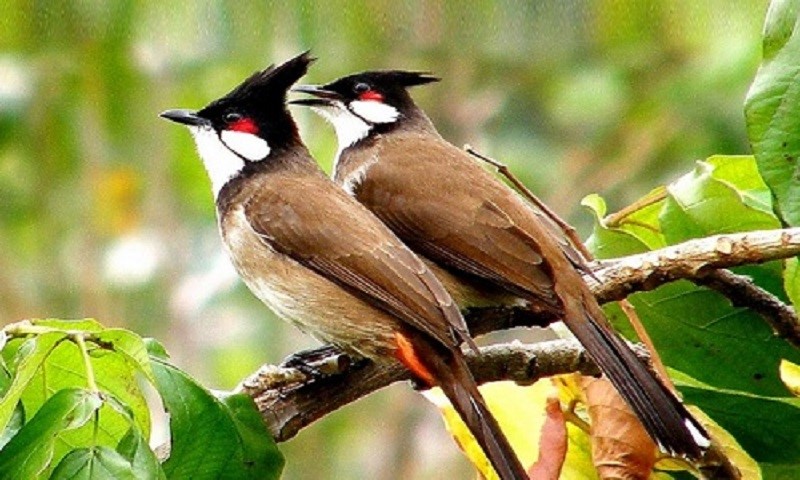 Illustrative image of ornamental birds
– Helminth infections can be transmitted through daily feed and drinking water. When food or water is contaminated with parasite eggs and birds ingest them, infection occurs—especially with fresh feed such as grasshoppers, crickets, worms, etc.
– Infected birds often show signs such as ruffled feathers, weight loss, weakness, normal appetite but poor body condition, or reduced appetite. Severe infections may lead to death if not treated promptly.
– Observation of droppings may reveal foam, worms, or segments of parasites. In severe cases, necropsy may reveal helminths in the gastrointestinal tract, typically in the intestines, with thickened intestinal mucosa (hyperplasia) or even hemorrhage.
II. DEWORMING METHODS
Traditional method:
– Using dried areca nut: Use half of a dried mature areca nut, grind it into powder, and administer it to the bird.
– Although this method can be effective, it carries a high risk of toxicity and may lead to bird mortality. Therefore, it is not recommended.
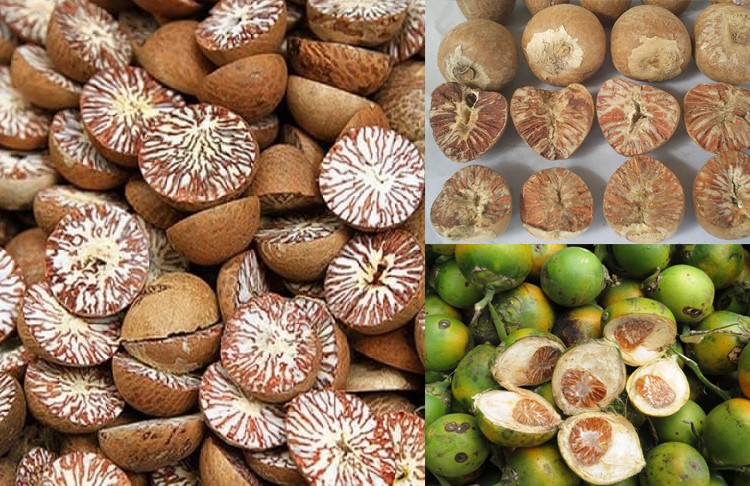 Illustrative image of using dried areca nut for deworming
Anthelmintic treatment:
– Using ASCACID F: This is a European-origin product, conveniently formulated in tablet form. Birds weighing under 150 g: administer 1 tablet. Birds weighing 150–500 g: administer 2 tablets. Use continuously for 2 days for optimal efficacy
– Many people use human deworming medications for birds, but dose division is difficult and often inaccurate. Therefore, it is recommended to use veterinary-specific anthelmintics like ASCACID F to ensure proper dosing, safety, and effective prevention and treatment.
– Additionally, liquid products such as ALBENOL 100 ORAL or ALDAZOLE are also effective treatment options.
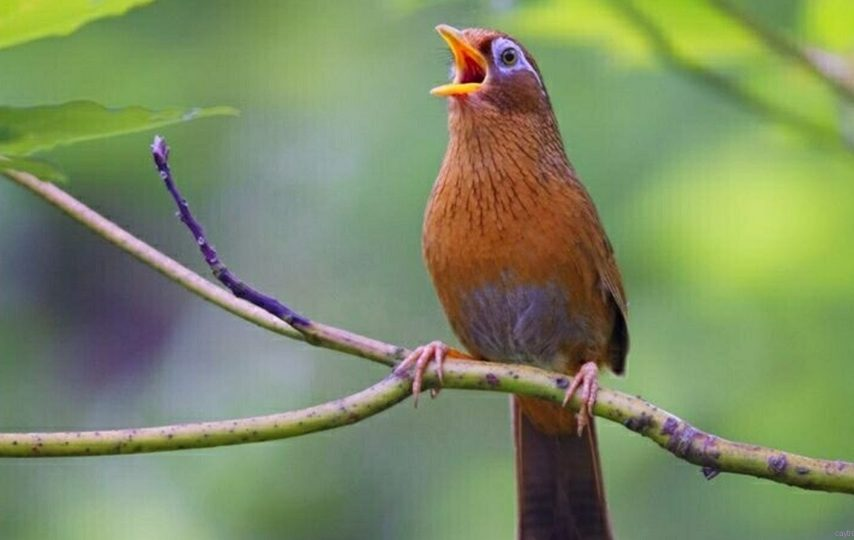 Illustrative image of ornamental birds
– For best results, ornamental birds should be dewormed periodically every 6 months to prevent infection. Birds free from parasites will be healthier, gain weight better, and have smoother, glossier feathers.
Through understanding the causes, clinical signs, and treatment solutions for helminth infections in ornamental birds, you can improve bird care practices effectively and enhance economic benefits.