
Parasitic worms in goats and methods for prevention and treatment are important knowledge for many livestock farmers to understand the significant impact of these diseases on goat health and farming productivity.
Emaciated body condition, rough hair coat, slow growth, and poor performance in goats can result from various causes. Among them, parasitic worm infections are often overlooked, leading to negative impacts on goat production and economic efficiency. Therefore, understanding what parasitic worms in goats are, as well as effective methods for treatment and prevention, is essential in goat farming.
Goats consume various types of grass in natural environments; therefore, whether they are raised under grazing systems or not, the risk of parasitic worm infection is very common. So, what are parasitic worms in goats?
1. COMMON TYPES OF PARASITES
Liver flukes, Rumen flukes, Tapeworms, Roundworms (Strongyloides, whipworms, or hairworms), Some external parasites (ticks, mites, lice, fly larvae, horseflies, etc.)
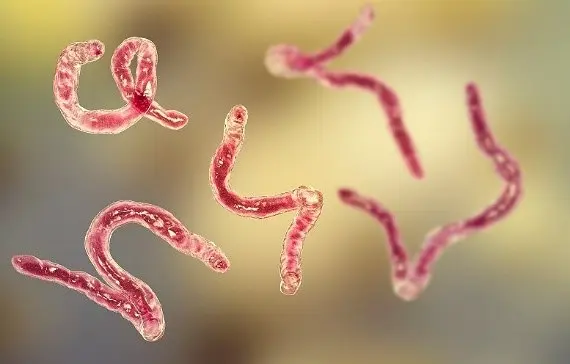 Images of parasitic worm diseases in goats
2. COMMON CLINICAL SIGNS OF PARASITIC WORM INFECTION
– Weak and emaciated body condition, anemia caused by nutritional deficiency, clearly shown by pale mucous membranes, rough hair coat, weight loss, patchy hair loss, and dull skin and hair.
– Reduced feed intake, poor nutrient absorption, slow growth, emaciation, frequent thirst, feces changing from normal to soft and watery, prolonged diarrhea, and edema in the lower body areas.
– Slow movement, frequently lying down, or lagging behind the herd.
– In some cases, neurological signs may occur (trembling, staggering, circling, head shaking, etc.).
– Severe parasitic worm infections can cause high mortality, especially in goats under one year of age.
3. PREVENTION OF PARASITIC DISEASES IN GOATS
* Implement a regular deworming schedule for goats 2–3 times per year, especially during seasonal changes and before the rainy season.
– For prevention and treatment of liver fluke infections, recommended products include: ALBENOL 100 ORAL, FLUCONIX 340, INTERMECTIN SUPER, administered periodically 2–3 times/year.
– For prevention and treatment of general internal and external parasitic infections (except liver flukes), farmers can refer to INTERMECTIN, INTERMECTIN POUR ON, or IVERMECTIN 10 ORAL, used periodically 2–3 times/year.
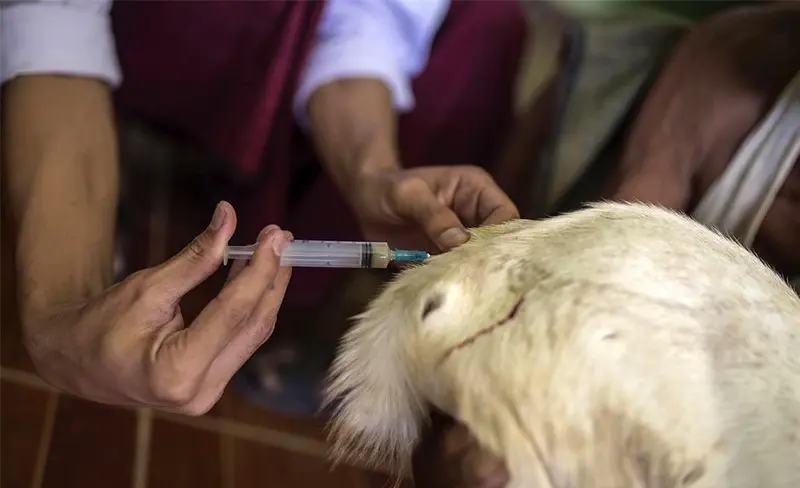 Image of prevention
* Hygiene Management
– Housing: Goats should be raised in elevated wooden or bamboo flooring pens. The floor should be cleaned daily, washed regularly, and disinfected once a week using BELUCID, DEXON SUPER
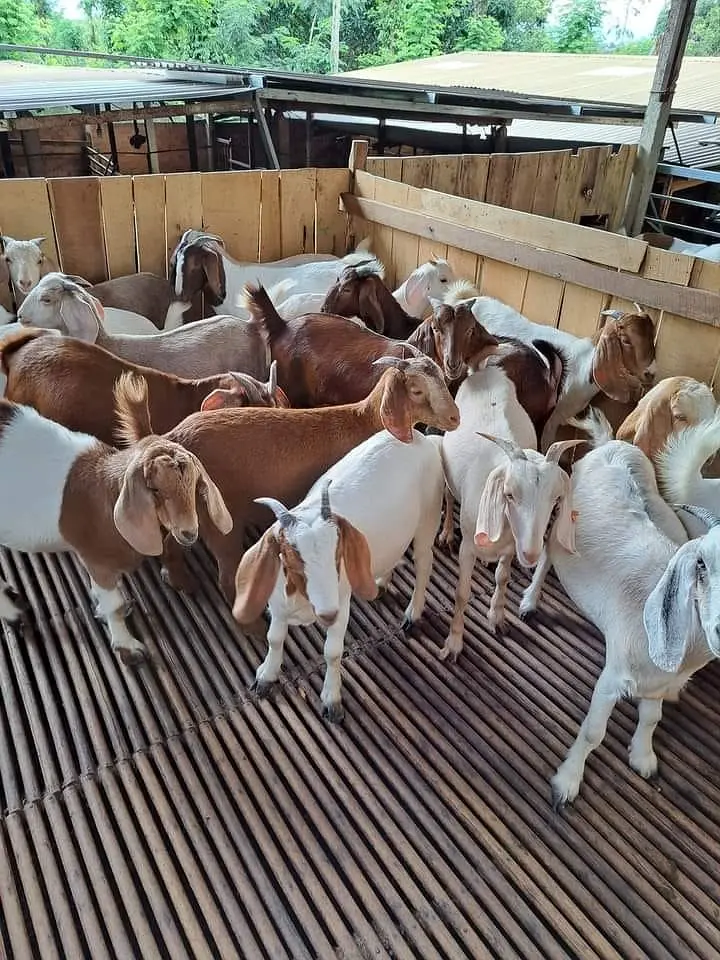 Image of goats
– Feed and drinking water: Ensure sufficient, clean, and nutritious feed sources. Feed troughs should be cleaned regularly. Drinking water must be clean and free from contamination, and water troughs should be washed daily.
– Manure and bedding management: Manure should be collected and composted in designated areas to generate heat, helping destroy parasite eggs, tapeworm segments, and some roundworm larvae.
* Goat Herd Management
– New arrivals: Newly purchased goats must be quarantined for at least 14 days before being introduced into the herd to monitor health status and perform deworming.
– Herd removal: In addition to selling goats for meat, farmers should evaluate and cull does with poor reproductive performance or poor body condition to maintain a healthy herd with high productivity.
4. TREATMENT
For treatment of parasitic worm infections in goats, in addition to using appropriate deworming products, farmers should supplement supportive products such as TOPFEED to provide vitamins and minerals.
Additionally, SORBACIN or DETOXIN from VB Pharma helps support liver and kidney function and toxin elimination. CATTLELYTE electrolyte supplementation helps improve resistance and reduce stress.
Note: Products used for prevention and treatment of parasitic worm infections must be administered at the correct dosage according to each product’s instructions.
Goats are a valuable food source but are also highly susceptible to gastrointestinal parasitic worm diseases. Therefore, understanding parasitic worm infections and applying effective prevention and treatment measures are essential to reduce their impact on goat growth, development, and livestock production, while recognizing the importance of regular deworming programs in goats.