
In cattle and buffalo production, Foot-and-Mouth Disease (FMD) remains a major threat due to its extremely high contagiousness and long-term survival in the environment.
Foot-and-Mouth Disease is one of the most serious infectious diseases affecting cloven-hoofed animals such as cattle, buffaloes, pigs, goats, and sheep. The disease spreads rapidly through multiple transmission routes and causes significant economic losses, including reduced draught power, decreased milk yield, reduced weight gain, increased treatment costs, and high mortality in young animals.
The disease is caused by Foot-and-Mouth Disease virus (FMDV), belonging to the genus Aphthovirus, family Picornaviridae. In Vietnam, the disease in cattle and buffaloes is mainly caused by three serotypes: O, A, and Asia1; therefore, region-specific vaccines must be selected accordingly.
The virus is highly persistent in the environment and relatively resistant to heat and adverse conditions, making disease control particularly challenging.
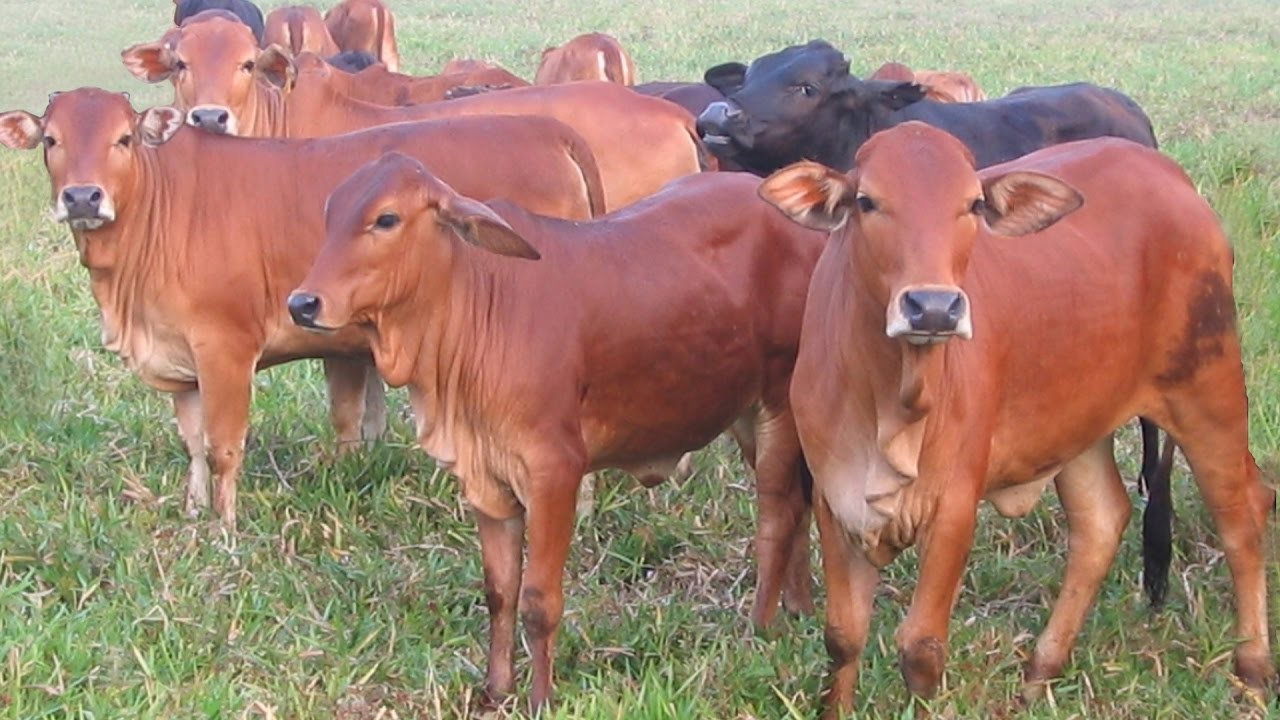 Image of cattle farming
1. VIRAL CHARACTERISTICS AND PATHOGENESIS
FMD virus consists of seven major serotypes: O, A, C, Asia1, SAT1, SAT2, and SAT3. In Vietnam, serotypes O and A are most commonly encountered. After entering the host through the oral mucosa, skin of the feet, or respiratory tract, the virus replicates rapidly, destroying epithelial and mucosal cells and forming vesicles. When these vesicles rupture, they develop into ulcers, causing severe pain and leading to anorexia, cessation of rumination, and reduced working capacity.
In calves, buffalo calves, or weak dairy cattle, the virus may invade the myocardium, causing acute myocarditis and sudden death.
2. ROUTES OF TRANSMISSION
The virus is efficiently transmitted via the oral mucosa when healthy animals consume contaminated feed or water. It can also enter through damaged skin of the teats and feet, as well as through the respiratory tract when animals are housed together.
Recovered animals may continue to carry and shed the virus for several months, serving as a persistent source of infection.
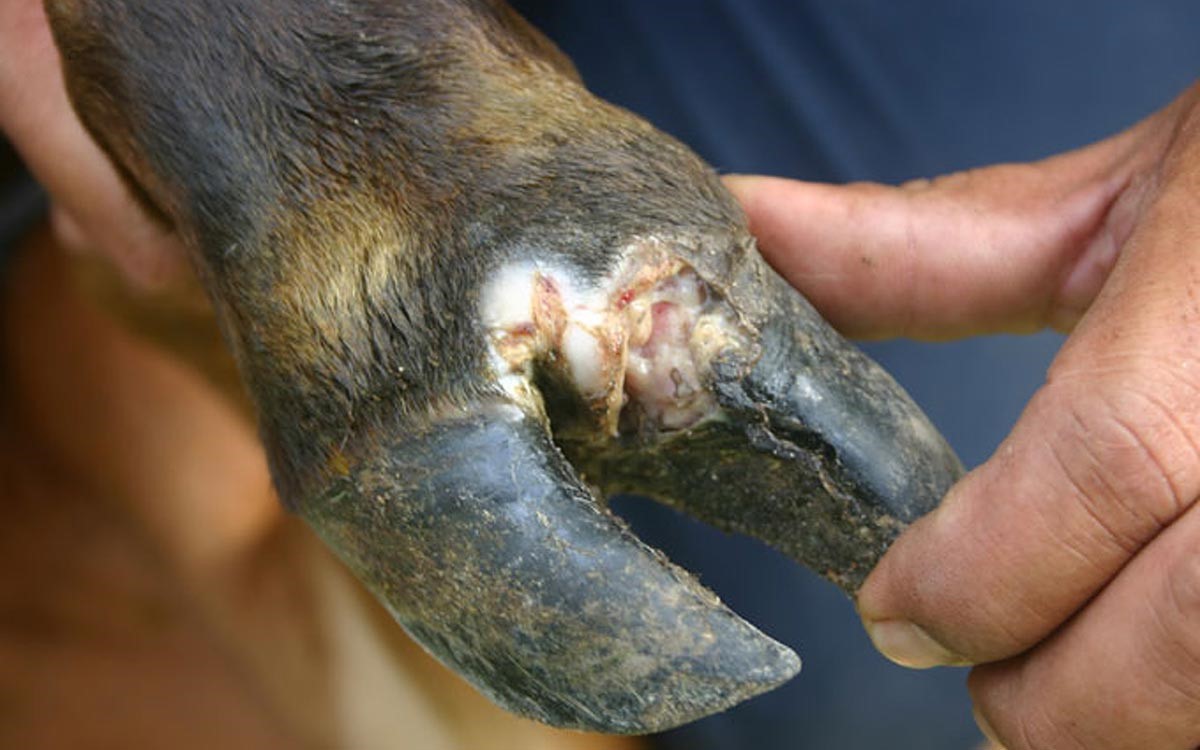 Image of FMD
3. CLINICAL SIGNS
Affected cattle and buffaloes typically exhibit systemic signs such as high fever (40–41°C), lethargy, reduced feed intake, and decreased milk production. In calves, sudden death may occur due to acute myocarditis.
Clinical manifestations vary depending on individual susceptibility, physiological status, and viral virulence.
Common signs include profuse salivation with foamy, soap-like bubbles around the mouth.
Vesicular lesions are observed on the gums, tongue, nasal planum, coronary band, interdigital spaces, and teats. After rupture, these vesicles form painful ulcers, often leading to hoof separation. Affected animals experience severe pain, stop eating, markedly reduce rumination, stand with flexed legs, tremble, and lie down frequently. On the udder skin, small vesicles may be present; in some cases, acute mastitis develops with swollen and painful udders. Milk from affected cows must be completely discarded.
4. LESIONS
Multiple ulcerative lesions on the lips, mouth, tongue, and oral commissures.
Lesions in the feet include interdigital dermatitis, hoof detachment, and in severe cases, complete separation of the hoof from underlying tissues.
The myocardium may show white or yellowish streaks, known as “tiger heart” lesions, which are characteristic in young animals dying from acute infection.
Enlarged lymph nodes.
Mild inflammation may be observed in the rumen and omasum.
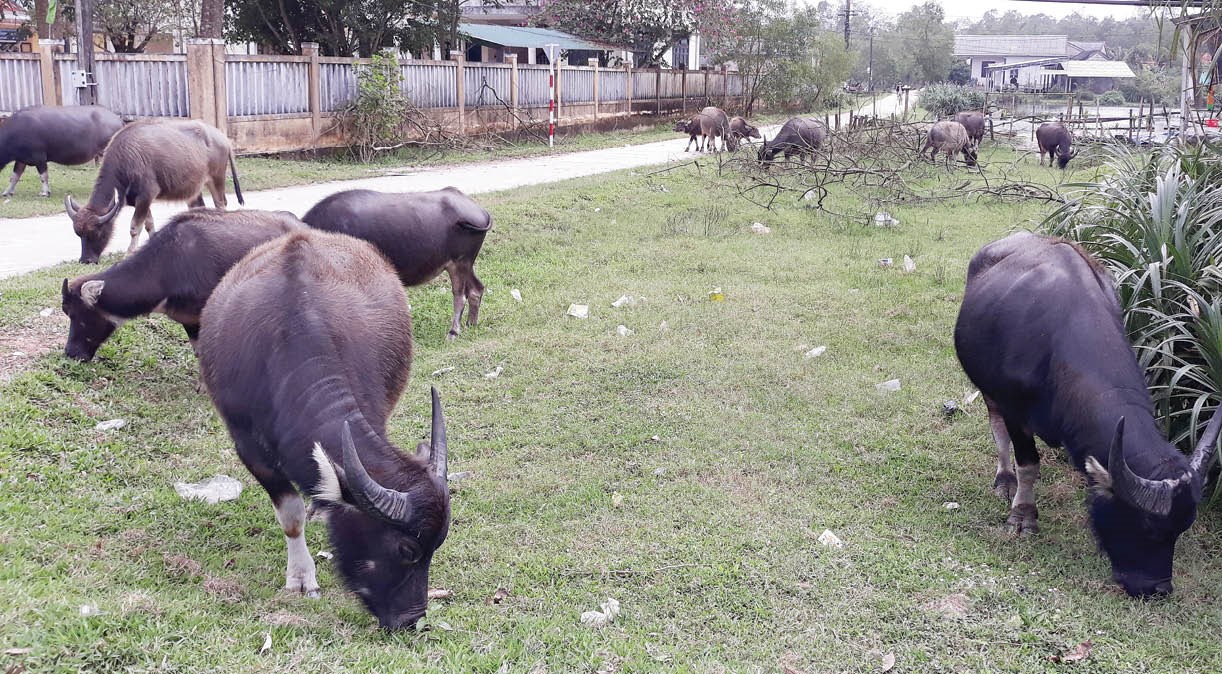 Image of cattle farming
5. TREATMENT
Note: As this is a viral disease, there is no specific antiviral treatment. Therapy is supportive, aimed at enhancing immunity and preventing secondary bacterial infections. The following treatments may be applied:
– For antipyretic and analgesic effects: ANALGIN 500 INJ or
– For supportive therapy and recovery enhancement: BUTASAL 100 or
– Antibiotics to prevent secondary infections: PENSTREP 400 or CEFTIONEL 50.
– For vesicular and ulcerative skin lesions: application of methylene blue, povidone-iodine, or spraying with LIMOXIN 25 SPRAY.
Because affected animals often have reduced feed intake, it is recommended to:
– Provide soft, easily digestible feed.
– Supplement minerals and vitamins to enhance immune response.
– Isolate affected animals for at least 21–30 days to prevent disease spread.
– Maintain dry and clean housing conditions; regularly disinfect barns and equipment to eliminate pathogens.
6. PREVENTION
6.1. Vaccination
Vaccination remains the safest and most effective preventive measure. Routine vaccination is generally recommended every six months.
6.2. Additional preventive measures
– Avoid introducing livestock from infected areas.
– Quarantine newly purchased animals for at least 21 days before introducing them into the herd.
– Disinfect equipment and housing facilities 1–2 times per week.
– Restrict access of unauthorized personnel to livestock areas.
– Do not feed cattle and buffaloes with grass or straw sourced from outbreak areas.
– Enhance immunity through adequate nutrition, minerals, and vitamins.
– Minimize stress during seasonal transitions.
Foot-and-Mouth Disease is an extremely dangerous infectious disease with rapid transmission and high outbreak potential if not properly controlled. Effective vaccination programs combined with early detection and timely supportive treatment are essential to maintaining herd health, improving productivity, and ensuring economic sustainability for livestock producers.