
Disease outbreaks are one of the greatest risks in animal production. However, with careful observation, farmers can detect early warning signs and proactively identify the risk of an impending outbreak.
In many cases, diseases do not occur suddenly; they are often preceded by warning signs. If farmers can recognize these early indicators, they can take timely action to prevent the spread and minimize economic losses. Let’s explore five key signs indicating that a farm may be at risk of a disease outbreak.
I. FIRST SIGN: ANIMALS BEGIN TO SHOW REDUCED FEED INTAKE OR ANOREXIA SPORADICALLY
Initially, only one or two animals may eat less or stop eating, which is often overlooked and attributed to heat stress or feed changes.
In reality, this may be the earliest sign of disease. If not monitored closely, reduced feed intake can spread throughout the herd or flock within a few days.
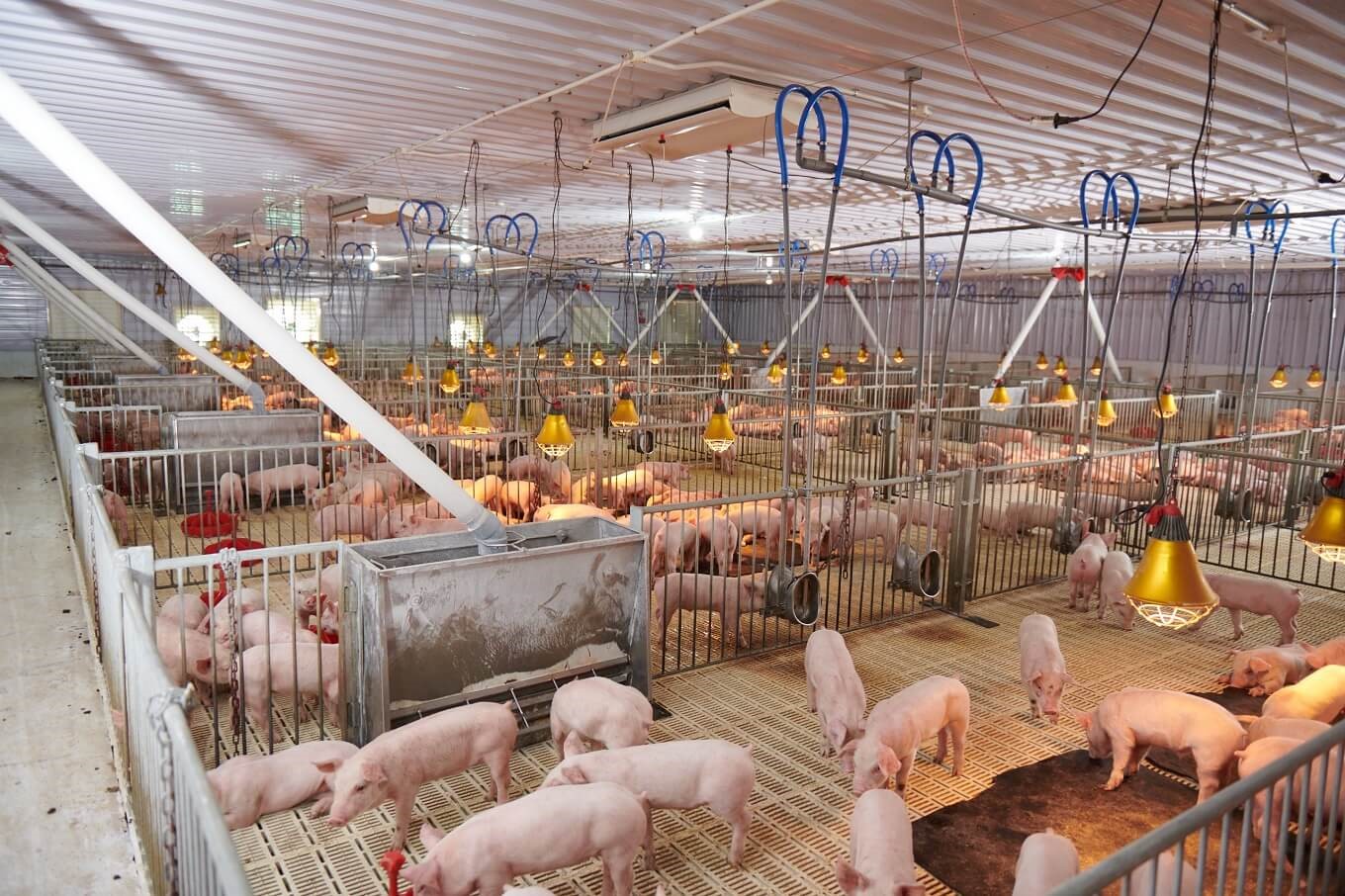 Image of pig farming
II. SECOND SIGN: ABNORMAL CHANGES IN FECES
Pay attention if feces become looser than normal, show unusual colors such as green, white, or yellow, or emit a foul, offensive odor.
These are often signs that the digestive system is affected by bacteria, viruses, or parasites. Early detection and diagnosis are crucial for timely intervention.
III. THIRD SIGN: MILD FEVER AND CLUSTERING BEHAVIOR
Many infectious diseases begin with a mild fever. Affected animals may become lethargic, reduce movement, lie down more frequently, and show decreased appetite.
Without checking body temperature, this sign can easily be overlooked.
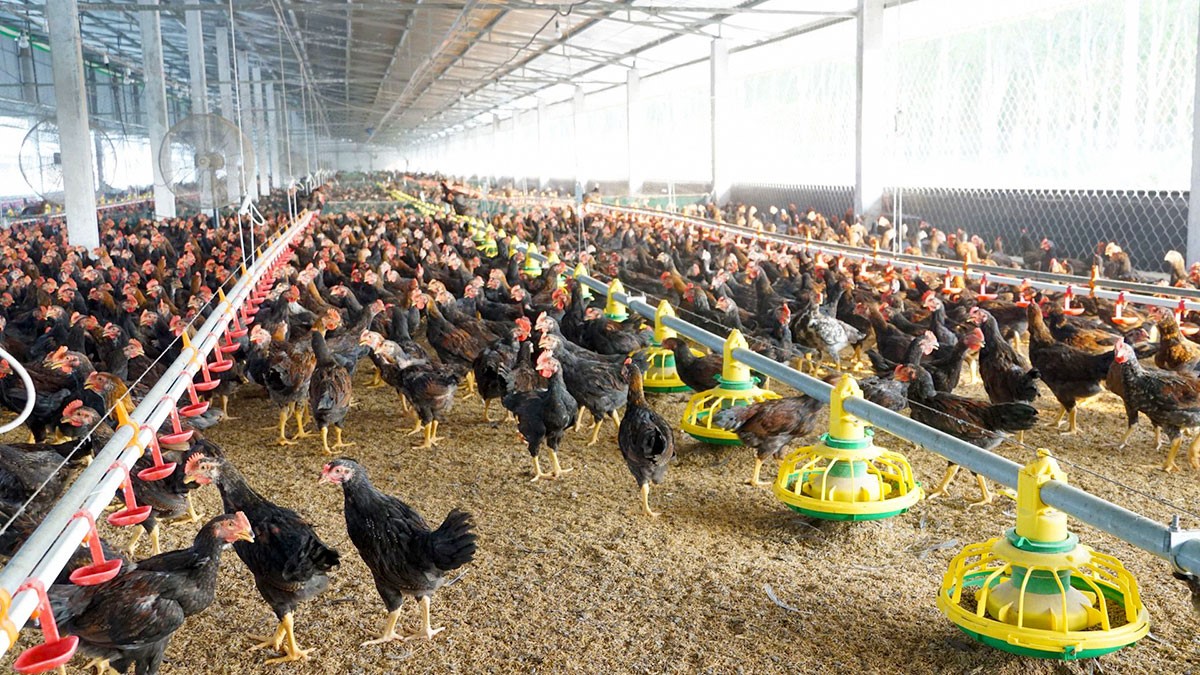 Image of chicken farming
IV. FOURTH SIGN: SPORADIC MORTALITY
If one or two animals die unexpectedly without a clear cause, farmers should be highly alert.
In many real cases, disease outbreaks start with isolated deaths before rapidly spreading throughout the entire herd or flock. Early detection and isolation are essential to prevent further transmission.
V. FIFTH SIGN: POOR BARN CONDITIONS WITH UNUSUAL ODOR AND HUMIDITY
When housing conditions are damp, poorly ventilated, or accumulate harmful gases, pathogens can proliferate rapidly.
This creates an ideal environment for disease outbreaks. Therefore, farmers should maintain proper sanitation, regularly disinfect facilities, and ensure adequate ventilation to reduce odor and harmful gases.
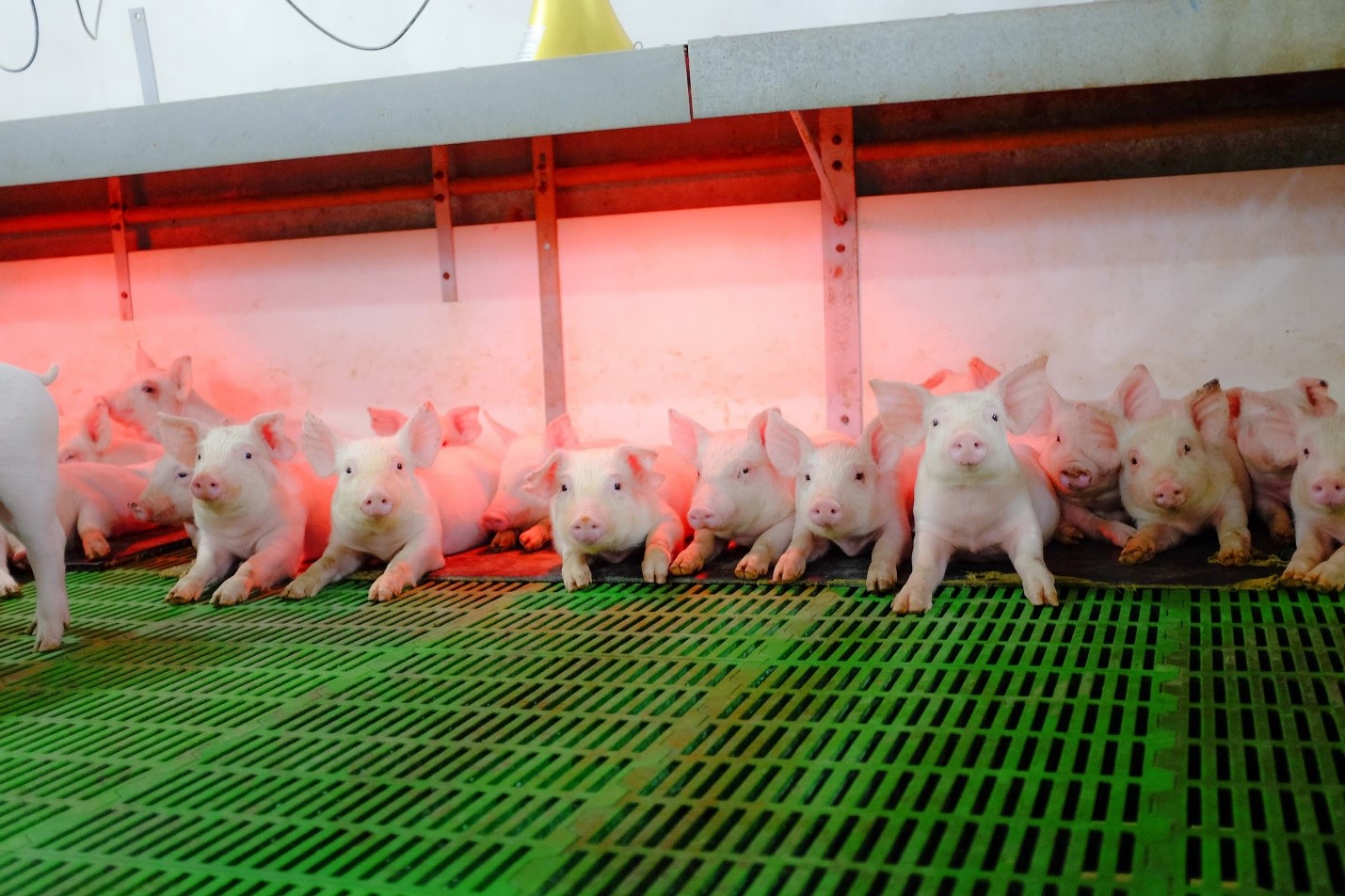 Image of pig farming
When observing the above signs, farmers should immediately take the following actions:
- Closely monitor animals showing abnormal clinical signs.
- Isolate suspected diseased animals for timely treatment.
- Regularly clean and disinfect the housing facilities.
- Supplement probiotics, vitamins, beta-glucans, etc., to enhance immune response. Products such as GLUCAN C or VITA C 20% can be used to improve immunity, while probiotics help balance gut microbiota and reduce digestive disorders.
The earlier the detection, the higher the chance of effective disease control.
Early recognition of abnormal signs is the key to effective disease management. Proactive monitoring and timely intervention will help protect livestock and minimize losses on the farm.