
In chickens, the liver is an essential organ that plays many important roles in digestion and metabolism. Fatty liver in poultry is a common condition; however, if it is not properly managed, it can significantly affect productivity and economic efficiency.
Fatty Liver Hemorrhagic Syndrome in chickens is a metabolic disorder commonly observed in long-term production birds such as laying hens and breeder chickens. This condition is associated with metabolic imbalance, particularly during the peak laying period. Although the mortality rate caused by this syndrome is relatively low, it often leads to overweight birds during the laying cycle and reduces egg production performance.
In animals, the liver performs many crucial functions in digestion, metabolism, and nutrient absorption. Most substances, including toxins in feed and chemical compounds in medications, are metabolized and detoxified in the liver. Nutrients absorbed through the digestive tract, such as amino acids, must pass through the hepatic portal vein before being transported to other organs.
Fat accumulation occurs when the amount of fat stored in the liver exceeds its storage capacity, which may result in fatty liver degeneration.
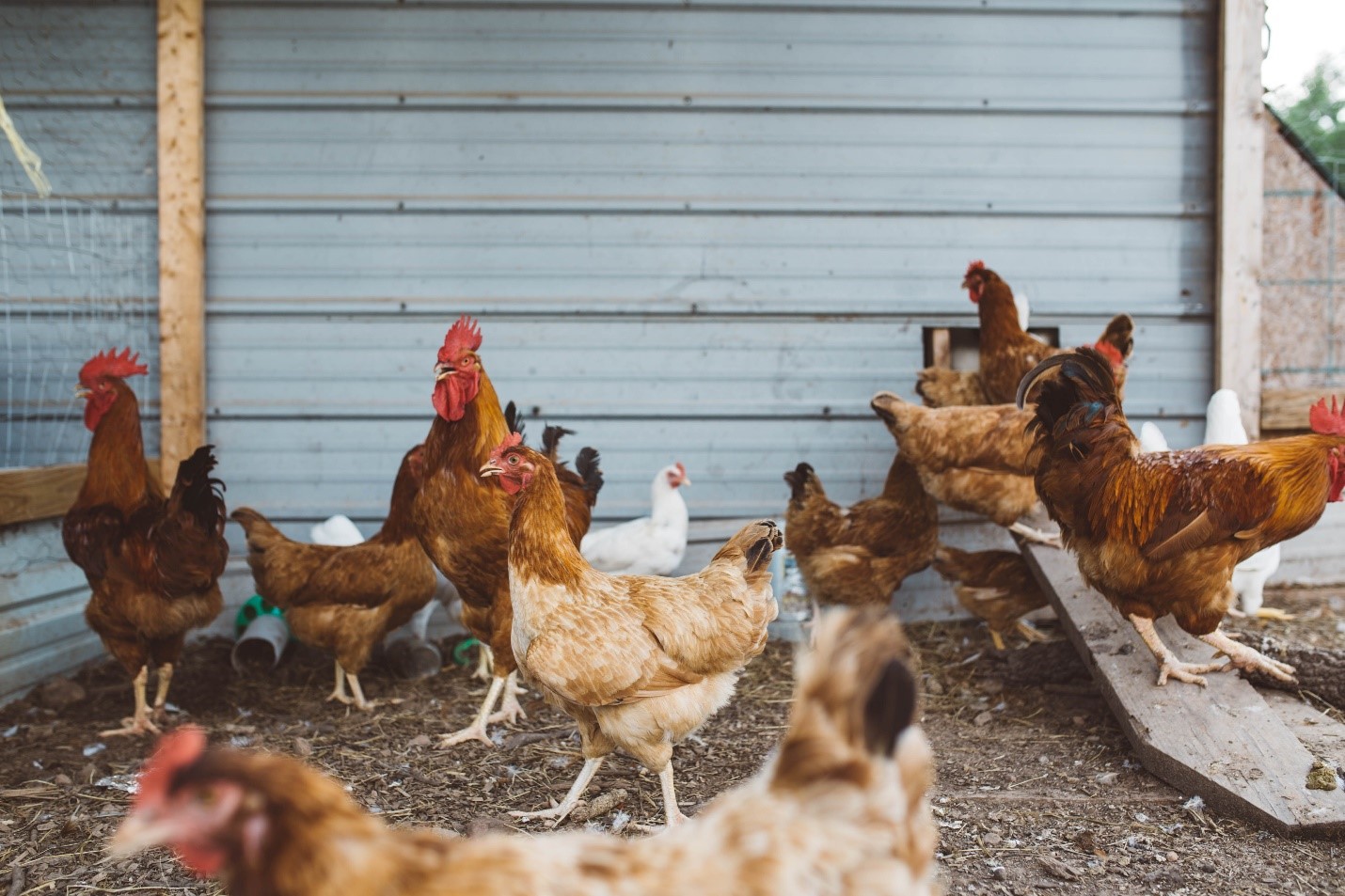 Image of chicken farming
I. CLINICAL SIGNS
– Pale comb, wattles, and skin
– Egg production decreases by approximately 30–40%, while body weight may increase by around 20% or more
– Mortality rate ranges from 2–5% due to liver hemorrhage
– Fat accumulation in the liver and abdominal cavity associated with hepatic hemorrhage
– Enlarged, soft, and fragile liver with yellow, orange-gray (putty-like) coloration
II. CAUSES
Common causes include:
– Heat stress causing metabolic disturbances
– Unbalanced diets with excessive energy intake and limited physical activity
– Contaminated feed containing mycotoxins, particularly aflatoxins
– Elevated estrogen hormone levels (especially during the laying period)
This condition is often more severe during hot weather seasons.
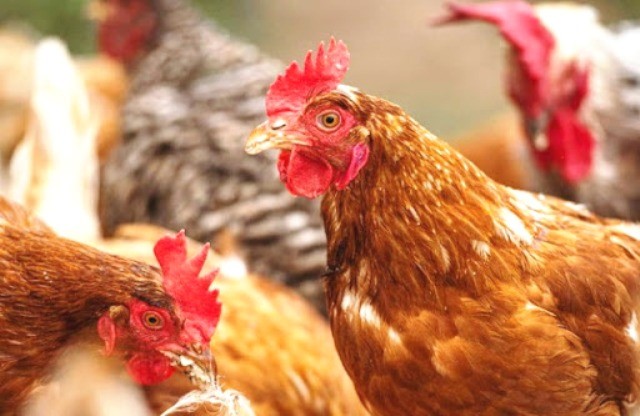 Image of chicken farming
III. LESIONS
During necropsy of affected chickens, the following findings may be observed:
– Internal hemorrhage; enlarged liver with hemorrhage, excessive fat deposition, and high fragility; liver color ranging from yellow to dark red.
– Blood-filled nodules (hematomas) varying from dark red to brown on the liver parenchyma.
– Large amounts of fat accumulation in the abdominal cavity and on several internal organs.
 Image of Fatty Liver Hemorrhagic Syndrome in chickens
IV. SOLUTIONS
Since the change of liver color to yellow is an early sign of this syndrome, regular monitoring through necropsy is recommended to detect fatty liver at an early stage and apply timely interventions.
– Reduce excessive feed intake; maintain crude protein levels above 17.5%, fat content below 3.5%, and supplement with choline, Vitamin E, and Vitamin B12
– Proper flock management to prevent excessive body weight, especially during the rearing period; body weight should be maintained close to the breed standard
– Improve housing conditions by increasing ventilation and reducing house temperature, particularly during hot seasons
– Minimize stress factors affecting the flock
– Regularly provide liver-support products such as INTERTONIC ORAL, HEPASOL ORAL, or TONICKEY to help maintain healthy liver function in poultry.
The above overview provides poultry farmers with essential information to identify and manage Fatty Liver Hemorrhagic Syndrome in chickens, thereby reducing its impact on egg production performance.