
In piglet and grower pig farming, rickets is one of the common nutritional diseases that is often overlooked.
Rickets in pigs is a chronic nutritional and mineral metabolism disorder, typically occurring in piglets and grower pigs, characterized by skeletal changes in two forms: rickets and muscle spasm due to calcium deficiency. The disease not only directly affects skeletal development but also reduces growth rates, increases mortality, and causes significant economic losses for pig farms.
1. CAUSES
The main causes are diets deficient in calcium, phosphorus, and vitamin D, as well as piglets born from sows with insufficient exercise, lack of sunlight, and high housing humidity.
Rickets disrupts the process of calcium and phosphorus accumulation in the bones, causing abnormal bone development and deformity.
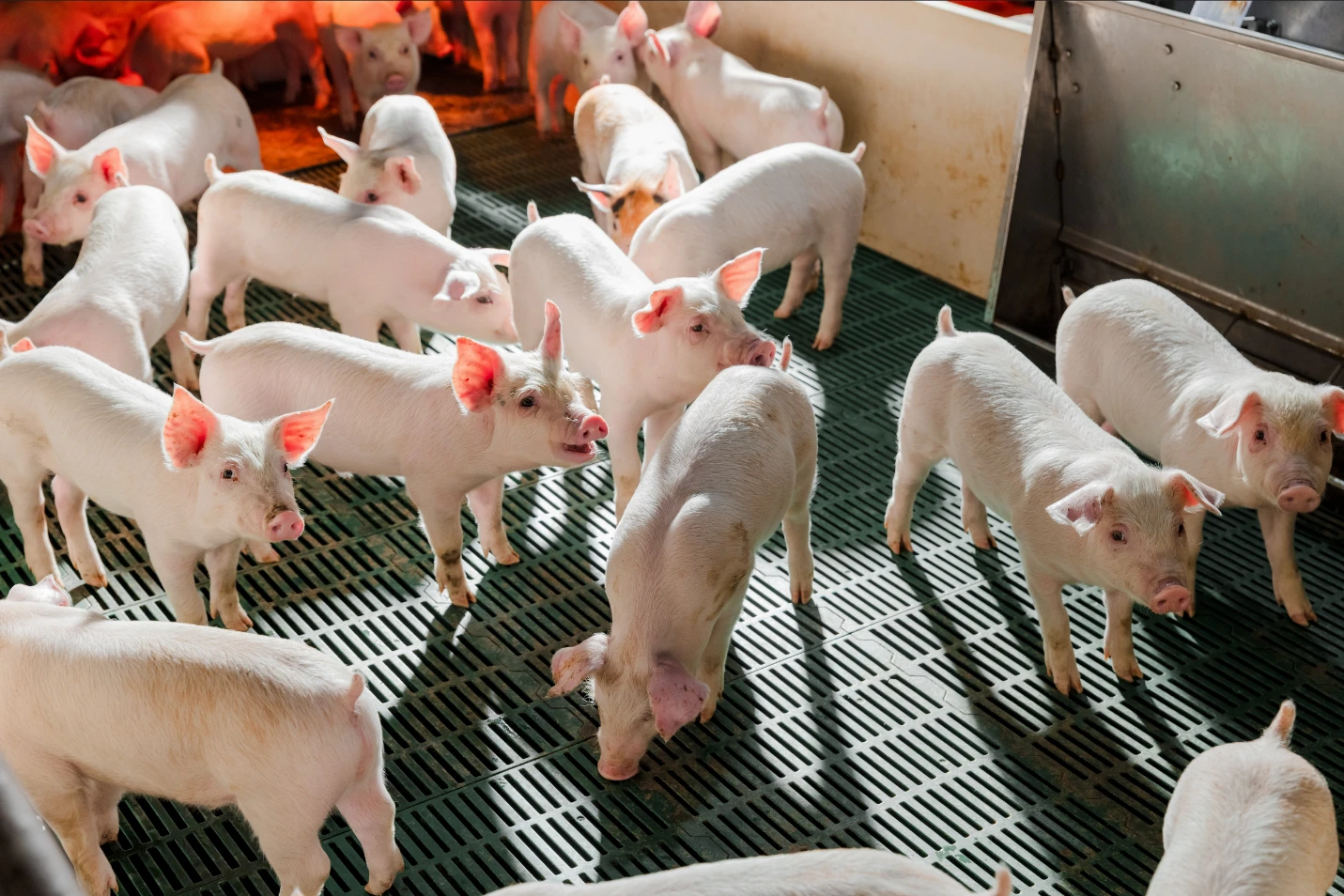 Image of pig farming
2. SYMPTOMS
– Poor appetite, picky eating, depraved appetite (eating random objects), tail biting, and ear biting.
– Restlessness and unmotivated squealing.
– Muscle spasms occurring in certain muscles, especially the leg muscles.
– These signs are associated with an unsteady gait, paralysis, or paresis of the legs.
3. DIAGNOSIS
Diagnosis of rickets in pigs is based on clinical symptoms, diet history, and biochemical test results:
Clinical diagnosis: Observing the gait, depraved appetite, and joint deformities in piglets/grower pigs.
Blood tests for pigs: Blood phosphorus levels decrease from 6.5–9 mg% down to 1.5–3.5 mg%, and serum calcium levels decrease from 11–13.5 mg% down to 5–8 mg%.
Differential diagnosis: It is necessary to differentiate from postpartum paralysis in sows, Aujeszky’s disease (pseudorabies), disease caused by Streptococcus suis (causing arthritis/nervous signs), or salt poisoning.
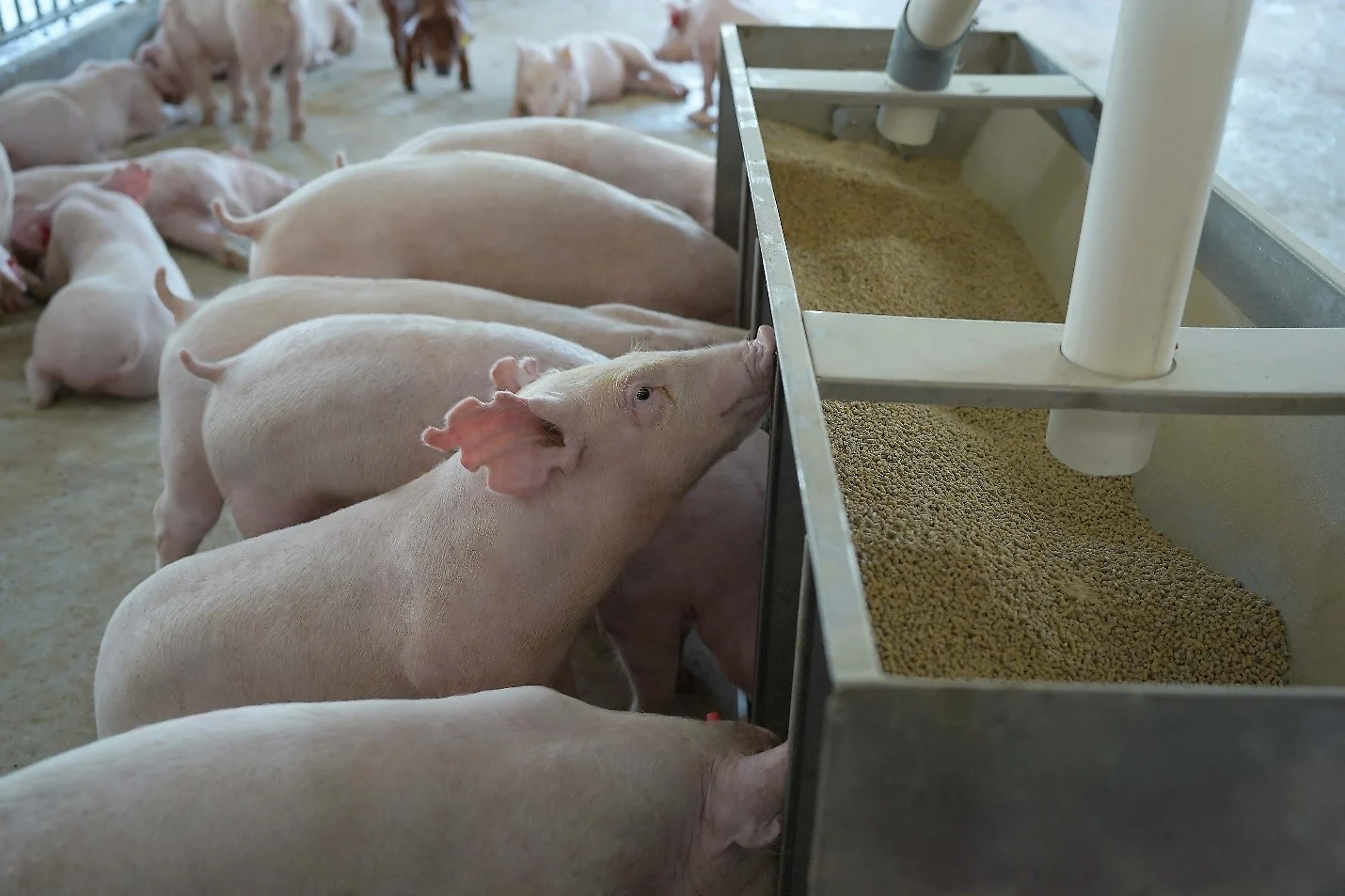 Image of pig farming
4. TREATMENT
Intramuscular injection:
– Vitamin D 50,000 IU/10kg body weight/day
– AD3E 1 ml/10kg body weight/time/day
Alternatively, the same dosages of the above medications can be mixed into feed or diluted in milk for oral administration for 8 to 10 days, or extended up to 15 days.
Adjust the diet with a Ca/P ratio of 2:1.45 – 1.5 through mineral supplementation. The calcium content in the feed must ensure 1200–1500 mg% and phosphorus from 700–900 mg%.
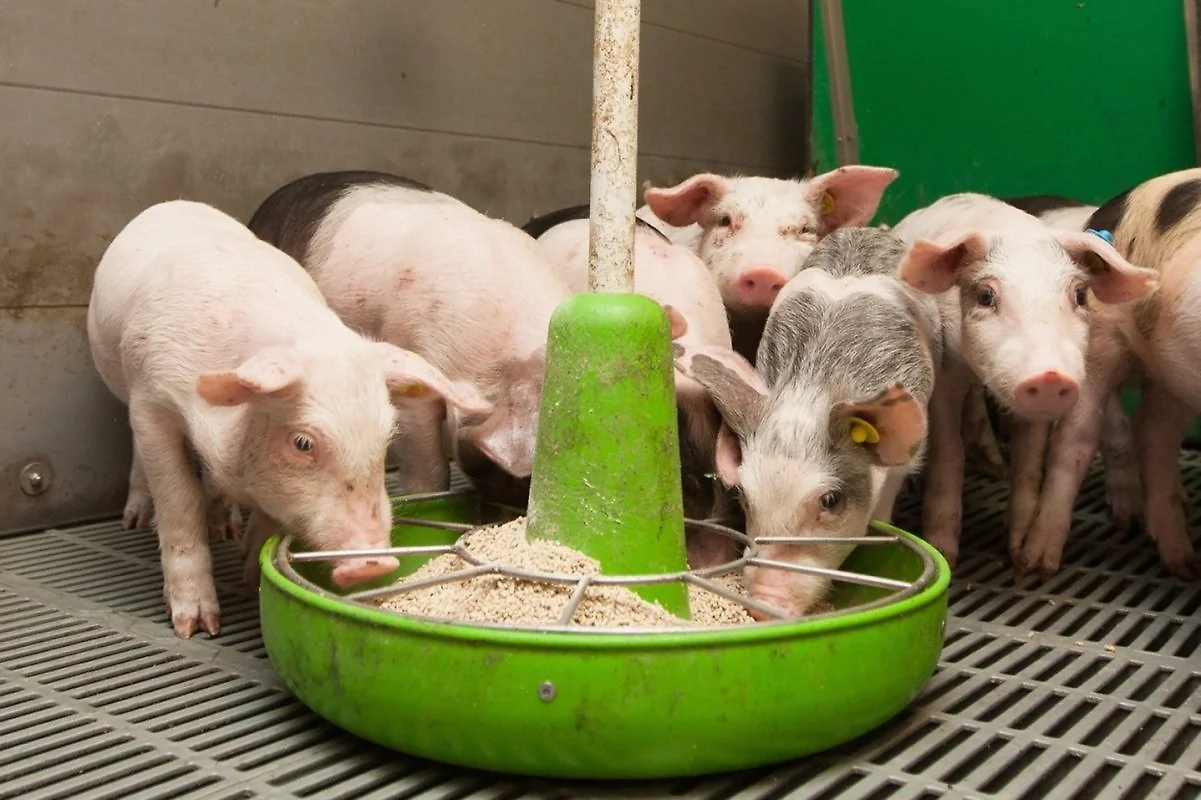 Image of pig farming
5. PREVENTION
Preventing rickets in pigs requires a combination of nutritional management and environmental improvement:
Care for pregnant & lactating sows: Fully supplement minerals and Vitamin AD3E for sows to ensure healthy piglets at birth and standard milk quality.
Improve housing environment: Keep pens well-ventilated, dry, and avoid high humidity. Design pens to allow piglets to get morning sunlight (from 6:00 AM to 8:00 AM) to stimulate natural Vitamin D3 synthesis.
Balance diet by growth stage: Ensure that Ca and P levels and the Ca/P ratio are always within standard technical thresholds for each age group of pigs.
Nutritional balancing and ensuring proper housing conditions play a decisive role in preventing rickets in pigs.