
Raising fish in concrete tanks offers significant economic benefits. However, which fish species should be cultured to ensure both good nutrition and high profitability? The following eight species provide the answer.
Compared with traditional pond culture, fish farming in concrete tanks offers several advantages. Farmers can easily monitor feeding behavior, manage diseases, and control stocking density. In addition, concrete tanks allow for quicker production cycles and require less investment in pond renovation between crops. Therefore, to achieve high production efficiency, rapid growth, and ease of management, consider the following eight fish species.
1. HYBRID CATFISH CULTURE
In addition to hybrid catfish, African catfish and yellow catfish can also be raised in concrete tanks. Hybrid catfish are highly adaptable to different water environments. They can survive at temperatures ranging from 11–39.5°C, in water with a pH of 3.5–10.5, and at salinity levels below 15‰. Moreover, hybrid catfish can tolerate low dissolved oxygen conditions. This species grows rapidly, is relatively disease-resistant, and can be fed primarily with homemade feeds.
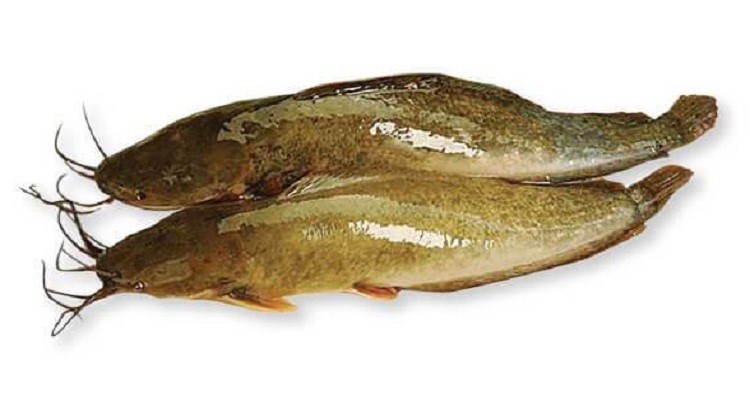 Illustrative image of hybrid catfish
2. SNAKEHEAD FISH CULTURE
Snakehead fish, also known as snakehead murrel, can survive in environments with low oxygen levels. They are commonly found in freshwater habitats and typically inhabit the middle and bottom water layers. They are often found in ponds and lakes with abundant aquatic vegetation and turbid water.
3. COMMON CARP CULTURE
Common carp is one of the most popular freshwater fish species on the market. It can thrive under a wide range of environmental conditions and generally prefers large water bodies with slow-moving water and abundant aquatic plants. Common carp can be successfully cultured in both concrete ponds and concrete tanks.
4. MONOSEX TILAPIA CULTURE
Monosex tilapia is relatively easy to raise, has a low disease incidence, and adapts well to various environmental conditions. When culturing monosex tilapia in concrete tanks, special attention should be given to tank depth. Protective netting should be installed around the tank to prevent fish from escaping, and shading should be provided during hot weather. Monosex tilapia can utilize a wide variety of feeds, including commercial aquafeeds and self-formulated diets.
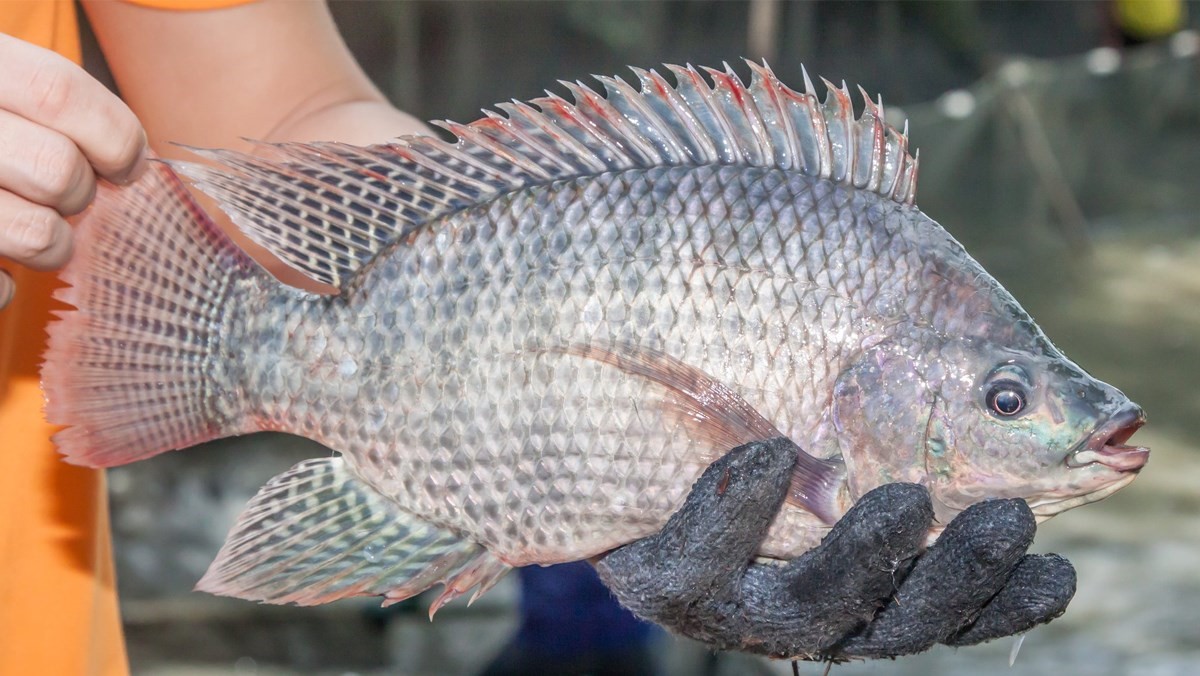 Illustrative image of monosex tilapia
5. RED TILAPIA CULTURE
Red tilapia is well known for its delicious flavor, firm flesh, and particularly low number of intramuscular bones. As a result, it is easy to process into various nutritious dishes and is highly demanded in the market.
Due to its rapid growth rate, ease of culture, and ability to tolerate low-oxygen environments, red tilapia is widely farmed. Furthermore, its relatively short production cycle allows for quick crop turnover, resulting in excellent economic returns.
This species can thrive in freshwater, brackish water, and saltwater environments. Its culture practices are similar to those of monosex tilapia. Red tilapia is omnivorous but tends to prefer plant-based feed ingredients such as finely ground corn bran and soybean meal, making feed sources highly diverse and readily available.
6. CLIMBING PERCH CULTURE
Climbing perch is a species that can live in both freshwater and brackish water environments. It is highly valued for its rich flavor, firm texture, and excellent meat quality. In addition, it offers high economic value, has relatively low disease occurrence, and possesses strong adaptability to different environmental conditions.
7. PANGASIUS AND BASA CATFISH CULTURE
These catfish species are highly appreciated for their good-quality flesh and strong consumer demand. Pangasius and Basa catfish are important export-oriented aquaculture species, particularly for the United States market. Farming Basa catfish can provide substantial economic returns for producers.
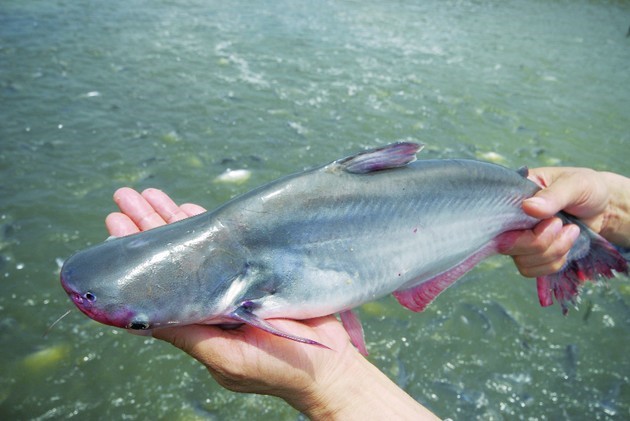 Illustrative image of Pangasius catfish
8. ORNAMENTAL FISH CULTURE
This model is widely chosen by ornamental fish hobbyists and producers. Although water quality management may be more challenging than in glass aquariums, concrete tanks provide a more natural environment for fish.
Aquatic plants and floating vegetation can be added to improve oxygen levels and provide supplementary natural feed sources.
The use of A BIO L probiotic pond-bottom treatment can help improve water quality, reduce algal growth, and accelerate the decomposition of residual feed in the culture tank. In addition, nutritional supplements can be provided to support fish health and promote optimal growth and development.
Besides the eight fish species mentioned above, many other species may also be considered for culture. However, not all of them are equally suitable for concrete tank farming. Therefore, farmers should select fish species based on local market preferences and their intended production goals to achieve the best results.