
If feather pecking and pecking behavior in poultry are not effectively controlled, they can rapidly spread throughout the flock and cause significant losses.
Pecking behavior in poultry (chickens, ducks, Muscovy ducks, etc.) is an abnormal but common behavioral response in intensive farming systems. This condition not only causes physical injuries, reduces survival rates and growth performance, but also results in significant economic losses for farmers. Identifying the causes and implementing a combination of appropriate management measures are essential for effective control of this condition.
1. CAUSES OF PECKING BEHAVIOR IN POULTRY
The condition often begins when some chickens start pecking at each other’s feathers, followed by pecking, biting, tearing, and even consuming body parts such as toes, combs, tails, or cloacae. In particular, when a chicken in the flock has a bleeding wound, the entire flock may be stimulated to peck at the injured area. This can subsequently lead to the spread of pecking behavior throughout the flock.
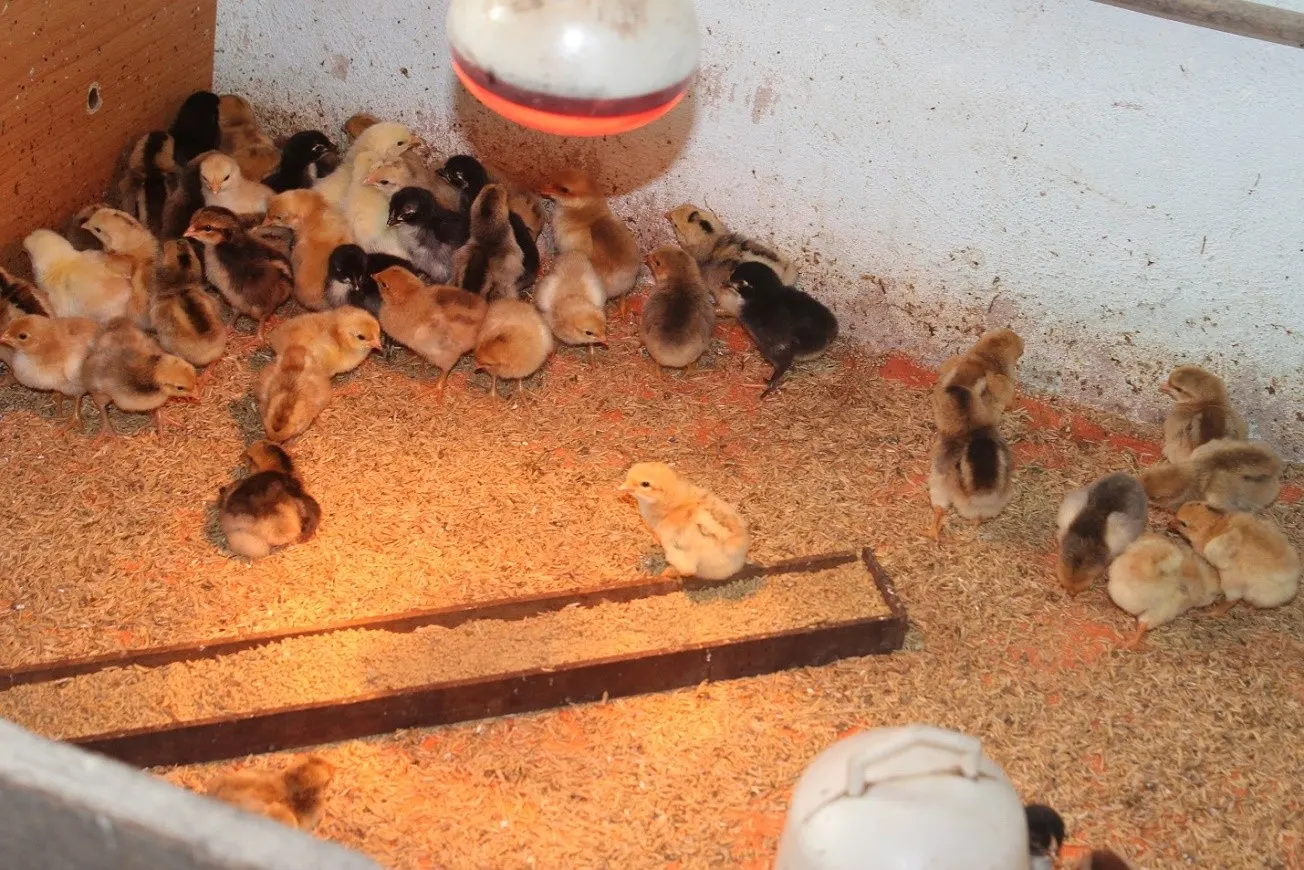 Image of chicken farming
The main causes of this condition include:
– Excessively high stocking density and insufficient space for movement, causing stress in the flock.
– Imbalanced nutrition: deficiencies in protein (particularly essential amino acids such as Methionine and Lysine), minerals (Calcium, Phosphorus, and Sodium Chloride – NaCl), or dietary fiber.
– Inadequate housing conditions: excessive light intensity, high house temperature, poor ventilation, and accumulation of harmful gases (NH₃, H₂S).
– Management factors: poultry being deprived of feed or water, or differences in age and body size among chickens housed in the same pen.
2. CONTROL MEASURES
– To control this condition, farmers should monitor the flock and promptly identify and isolate chickens that frequently peck at other chickens. Chickens that have been pecked and have open or bleeding wounds should also be captured, separated, and isolated. At the same time, disinfectant should be applied to wounds, and appropriate care should be provided until the chickens recover. Beak trimming may also be performed in certain types of poultry, such as chickens, to help limit pecking behavior:
– Broiler chickens: beak trimming at 7–10 days of age.
– Replacement pullets: beak trimming at 7–8 weeks or 12–16 weeks of age.
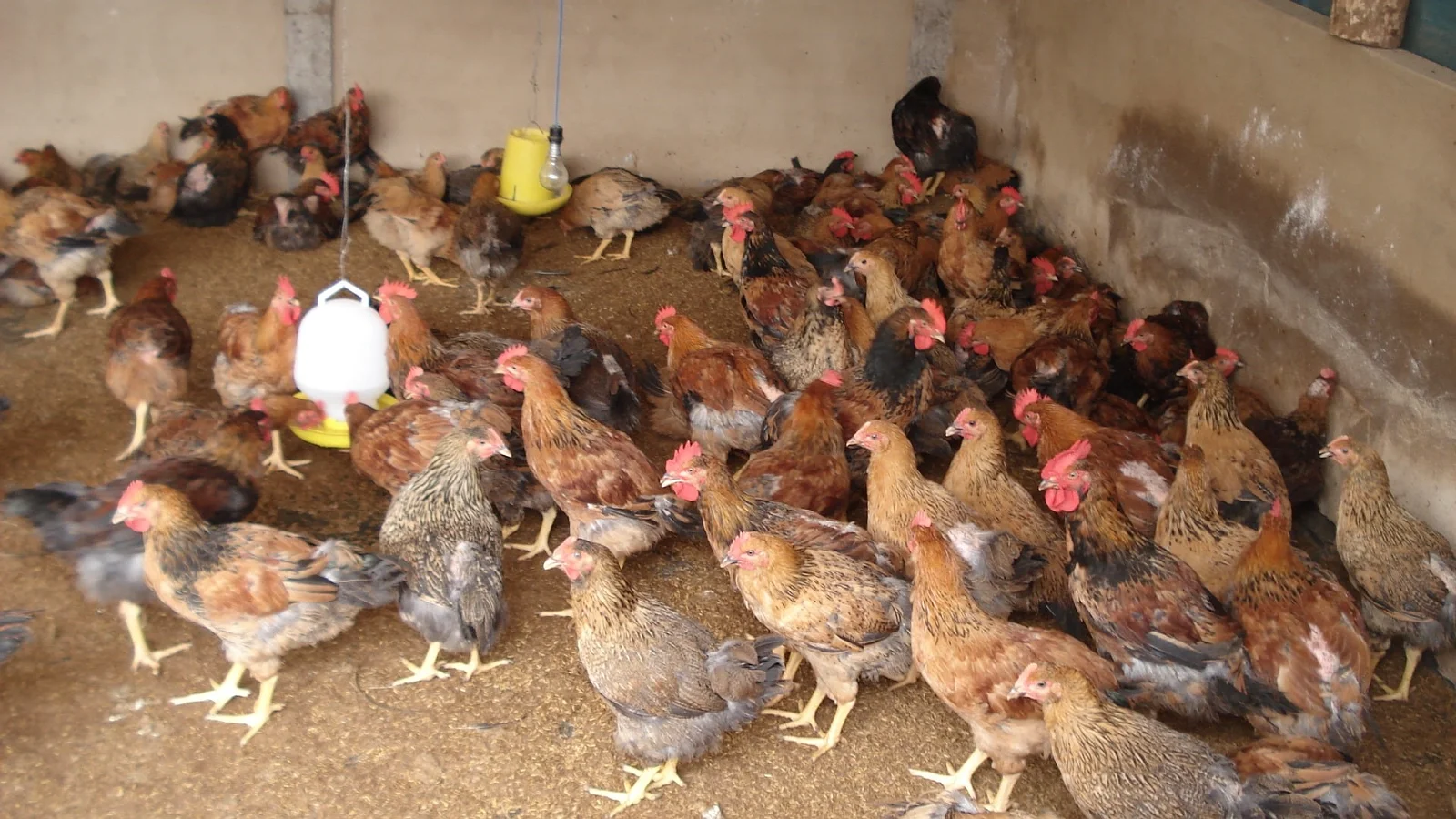 Image of chicken farming
– Adjust and reduce light intensity to an appropriate level, following the recommended lighting program for each poultry species at different stages of production. Ensure adequate ventilation in the poultry house. Bundles of fresh green forage can be added to the housing area for poultry to eat, satisfying their natural foraging and scratching behavior, providing additional minerals, and reducing pecking behavior. Ensure that enough feeders and drinkers are available so that all chickens in the flock have adequate access to feed and water.
– Check and ensure adequate feed and water intake, particularly preventing water deprivation during periods of high temperature. Keep poultry houses clean and apply appropriate measures to prevent unpleasant odors and the accumulation of harmful gases. Provide sufficient essential nutrients and maintain a balanced diet appropriate for each poultry species and age. Attention should be paid to mineral levels, including calcium and iron, as well as maintaining a balanced ratio among amino acids.
– To prevent pecking behavior from recurring, farmers should consistently implement good biosecurity, management, and nutritional care practices, including supplementation with vitamins and electrolytes, maintaining an appropriate sodium chloride balance, and keeping stocking density at a suitable level.
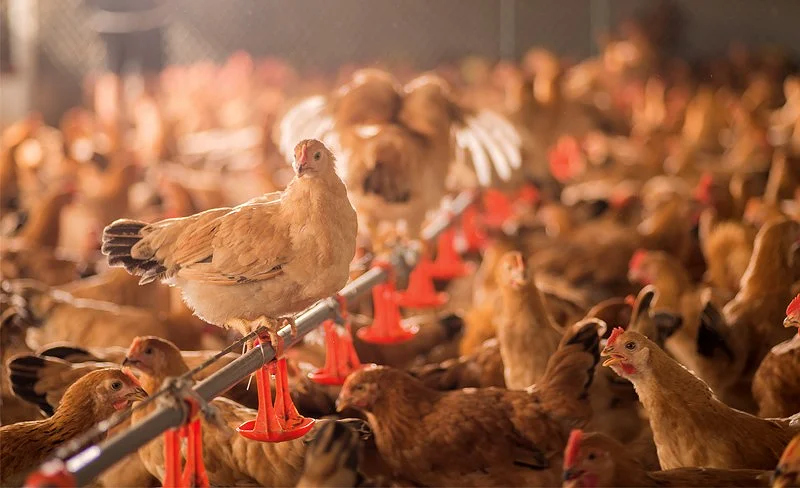 Image of chicken farming
Pecking behavior in poultry can be effectively controlled and prevented when farmers closely monitor the flock and promptly adjust nutritional programs and housing conditions. A comprehensive combination of proper housing management, technically appropriate beak trimming, and adequate nutrient supply will help poultry flocks develop healthily and uniformly, thereby achieving optimal economic efficiency.